I’m late publishing this article, and just as well, because since Friday, the day I normally publish, I came across a new study that sort of muddied the waters of this topic again. It just goes to prove just how much this area of research is evolving. As always I’ll revise this article as I find new info and endeavour to make the information as easy-to-understand as possible.
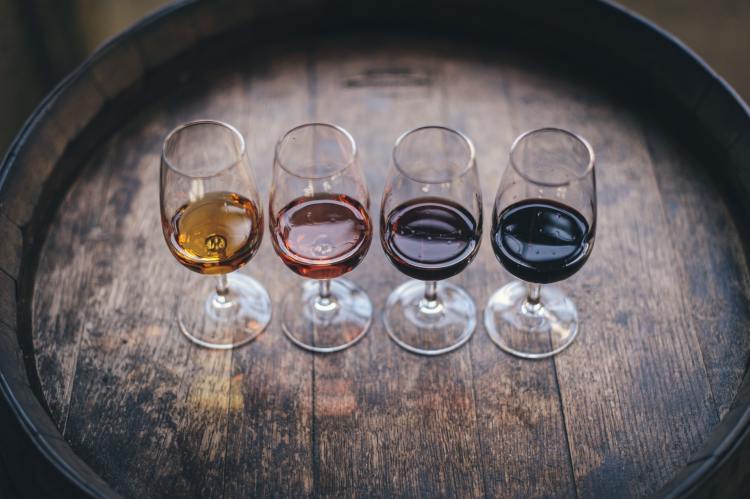
Does alcohol damage the planet? Well, currently the answer to that question is yes, but then practically everything that us humans do does. But it doesn’t have to be as damaging and there are some excellent sustainable alcohol brands out there doing an excellent of changing the status quo.
In light of the easing of Covid-19 restrictions I thought an article on eco holiday day-trips was timely. I’ve previously written about having a Sustainable Day out in Dublin city, but now I’m going further afield to looking at eco tourism attractions around the rest of the county and country.
Hello to all the lovely new subscribers to the website, and to all my loyal readers, who encourage me to write new articles every week.
In preparation for my piece on the Today show with Claire Byrne on RTE radio 1 this week, I drafted a list of ‘eco’ things that I do and I thought you might find it useful to read them.
Nothing mentioned in this article has been sponsored. It’s all just my own personal opinion. If you like your sources to remain independent then please;
As you can see I’m not perfect. I’m not vegan, we own a car and we do fly. My motto is progress not perfection. My life doesn’t currently allow me to drive much less or switch to a complete vegan diet but I’m getting closer. Also I’m not willing to give up all flying. I tried travelling by ferry and after one of the scariest nights of my life at sea I swore never again.
My goal is not to live the most sustainable life possible. My goal is to live the best life I can, as sustainably as I can. And although that sounds like the same thing, the subtle distinction is the difference between penury and pleasure.
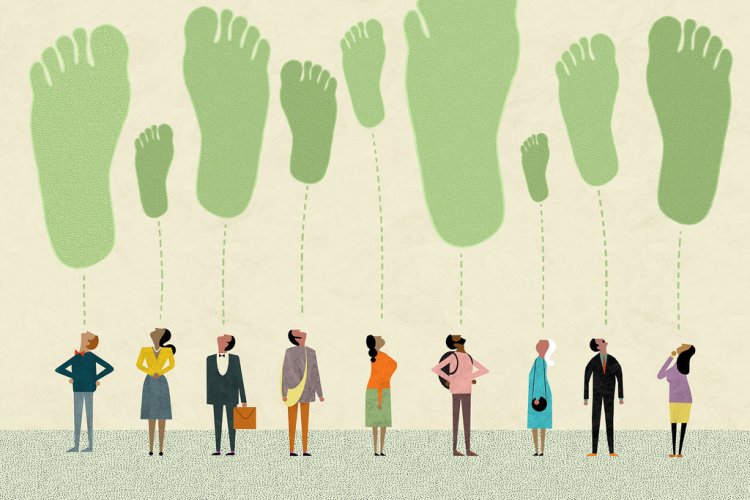
Anyway, here are some of the changes we’ve made to our lifestyle over the past 5 years. These changes have helped us save approximately €2000 per annum compared to our previous lifestyle and allow us to keep our carbon footprint to .8 of what the earth produces annually, i.e. living within our planetary means.
Eating
only buying as much food as we need – avoiding multipacks
planning our meals and underbuying to allow for schedule changes
having an ‘eat-me-first’ shelf in the fridge
freezing bread
freezing leftovers and ingredients, i.e. herbs, garlic cloves, lemon peel
freezing food in portions, i.e. sauces, baked beans, etc
buying fruit and veg in season as much as possible
finding recipes for regular leftovers so as to avoid food waste
storing food so at to lengthen it’s shelf / fridge life
buying fruit & veg twice a week to ensure freshness
making our own cakes and biscuits
growing lettuce, herbs, and some veg
using plates over food stored in the fridge instead of clingfilm
greasing and flouring baking tins instead of using greaseproof / baking paper
using a lidded roaster instead of tin foil
eating package-free popcorn instead of crisps
using 100% wood or 100% stainless steel utensils instead of plastic utensils
using stainless steel lunch boxes instead of plastic tupperware
reusing jars in the freezer instead of tupperware
reducing the amount of meat and dairy we eat
rehoming food through the Olio app
Shopping
buying as much package-free goods in our own reusable containers / bags as possible including fruit & veg, dry goods, nuts, dried fruit, pasta, rice etc
avoiding individually wrapped food items
using our own containers for meat, deli-goods, takeaways (pre-covid)
buying refillable products whenever possible; including washing up liquid, shampoo, laundry powder & liquid, vinegar, oil, honey
buying products in the largest container available to reduce the amount of packaging
buying concentrates, i.e. coconut cream instead of coconut milk, to reduce the amount of packaging
reusing our own shopping bags, including for non-grocery shopping
asking for as little packaging as possible when ordering something, or returning received packaging to the company where feasible
Cleaning
using wood dish brush with plant fibre bristles instead of plastic one
using a bar of soap over liquid soap
making our own liquid soap from slivers of bar soap
using bicarbonate of soda and water instead of Cif
using lemon juice or vinegar instead of glass cleaner
using a stainless steel scourer instead of brillo pads
using coconut scourer instead of plastic scrubbers
using compostable sponges in the kitchen
using rags instead of kitchen paper for wiping up most spills
using recycled paper kitchen towel sparingly
using a less-toxic laundry product
using a Guppyfriend to capture microfibres from the laundry
Transport
using an electric car over fossil fuel car
walking and cycling instead of driving where possible
limiting ourselves to one recreational flight a year
planning trips in order to cut down on emissions, i.e. taking the most fuel efficient route, visiting places close together in one trip
Personal Hygiene
using a vinegar rinse instead of hair conditioner
using cotton face cloths instead of wipes and scrubbies
using wood nailbrish with plant fibres instead of a plastic one
using reusable cloth sanitary pads over disposable
using natural deodorants over synthentics
using coral-friendly sunscreens
using recycled paper toilet roll
using microplastic free toothpaste
using natural skincare
making some skincare from food-grade ingredients
doing a body wash instead of having a shower everyday
Clothing
using organic cotton thread over polyester
repairing instead of replacing.
buying as much as possible second-hand
washing clothes less, by spot treating or airing them instead
rehoming clothes to others that can use them
recycling old socks and underwear through Clothespod bins
donating worn out clothing as rags through charity shops that take them
Energy
putting on jumpers instead of turning on the heat
turning off wi-fi when not in use
turning off devices when charging
switching to a 100% green energy energy provider
switching to LED of CFL lightbulbs
Eating / Drinking Out
using reusable coffee cups, water bottles, straws, cutlery, napkins
supporting restaurants with proper plates and cutlery and being sure to ask for a ceramic cup and plate when sitting in a cafe
supporting cafes that take reusable coffee cups
supporting cafes and restaurant that offer plant-based/ local / seasonal food
bringing leftovers from restaurant meals home in our own containers
School
using paper tape instead of sellotape
using highlighter pencils over markers
using refillable pens over single-use pens
using recycled paper
buying second-hand school books where possible
not covering school books with plastic
using frozen bread for sandwiches to avoid having to wrap them in clingfilm
Digital
switching from Google to Ecosia, which uses ad revenue to plant trees
switching to digital statements and bills
Gardening & Wildlife
avoiding all synthetic chemicals in the garden
making our own compost with kitchen & garden wast
making our own plant food with comfrey plants
leaving parts of the garden messy
allowing lawn flowers to bloom
mowing as late as possible in spring to allow dandelions to flower
using our two rainwater butts to water the garden garden
putting up a bird nest box
feeding the birds in winter
trying to provide nesting sites for bees and wasps in the garden
trying to provide hibernation sites for insects in the garden
creating a small garden pond
Misc
reusing gift bags instead of buying wrapping paper
giving cash or paper vouchers over physical presents
rehoming items through freecycle pages
avoiding plastic coated parking tickets by using a parking app
refusing receipts, which are non-recyclable and coated with plastic
refusing freebies that we don’t really want, i.e. pens, keyrings etc
borrowing books and movies instead of buying them, or using a local ‘little library’
putting an ‘Addressed Mail’ only sign on the mailbox
giving cardboard boxes to local business that can use them for postal orders
borrowing instead of buying and generously lend to others to help them do the same
supporting companies that do take back schemes
sending encouraging message to companies doing the right thing and polite suggestions to those that aren’t
Also every year I do a review of all the things I trialled over the year and what was a hit and what was a miss, which you might find interesting
And, every week I do a weekly update, listing the sustainable stuff I get up to on average week. I think you’ll be pleasantly surprised at just how ‘normal’ my life is.
If you’re starting out on your sustainable journey the best place to begin is with this article, Start Here.
I’ll be back with a planet positive newsletter next week. Till then catch you on Facebook or Instagram
We’re constantly encouraged to avoid palm oil in our products, but is that really the best way to go? If so, how do we do this? What are the alternatives and are they actually better?
Palm oil is a inexpensive versatile form of oil used in so many products you wouldn’t even believe, like bread, sauces, biscuits, crisps, ready meals, ice cream, soap, shampoo, detergents, lipsticks and biodiesel!




 living lightly in ireland